


Teach in Mexico: 2026 Jobs, Salaries, and Visa Requirements
Teaching in Mexico is best suited to educators who want a culturally rich, lifestyle-forward destination with real opportunities in both international schools and English-language teaching. From a Teach Away Teacher Recruitment Perspective, Mexico is one of the most flexible markets in the region: licensed teachers usually have the strongest access to better-paid, more stable school roles, while TEFL-qualified teachers can still find year-round opportunities in language schools and some university or private programs.
Mexico appeals to teachers who want meaningful classroom work, strong everyday livability, and easy access to major cities, coastlines, heritage sites, and vibrant local culture. It’s less of a pure savings destination than some higher-paying international markets, but it can be an excellent fit for teachers who care about quality of life, regional mobility, and a mix of professional and lifestyle value.
At a Glance
- Primary pathway: Licensed teachers have the strongest opportunities in international and bilingual K-12 schools, while ESL remains a viable secondary route through language schools and some university settings
- Typical earnings: Pay varies sharply by school type, with international schools and some university roles offering the strongest packages, and language-school salaries usually supporting a comfortable but more modest local lifestyle
- Top benefit: Mexico offers lower everyday living costs than many international teaching destinations, especially outside top-tier neighborhoods in major cities
- Main requirement: A teaching license is usually the key qualification for international schools, while a bachelor’s degree plus TEFL/TESOL is commonly preferred for ESL roles
Is Teaching in Mexico Right for You?
Teaching in Mexico is the premier choice for educators seeking a North American lifestyle with a significantly lower cost of living and a high density of International Baccalaureate (IB) schools. The market is exceptionally diverse, offering elite K-12 roles in Mexico City (CDMX) and Monterrey, alongside high-volume ESL opportunities in coastal hubs like Playa del Carmen.
This market may be especially attractive if you want:
- International school roles in cities like Mexico City, Guadalajara, Monterrey, Querétaro, or other established education hubs
- A realistic pathway into ESL teaching through language schools that hire throughout the year
- A destination where Spanish helps a lot in daily life, even if many schools and students operate bilingually
- A culturally immersive lifestyle with major travel appeal, from UNESCO sites to beaches and mountain cities
Mexico may be less ideal if:
- Your top priority is aggressive short-term savings
- You want a market where housing is routinely fully provided
- You’re hoping to rely on tourist-status flexibility rather than employer-led legal work authorization
- You want a highly standardized hiring model, because Mexico’s school landscape is varied and school-by-school differences matter a lot
Eligibility Quick-Check
- Bachelor’s Degree: Usually required for most full-time teaching roles
- Teaching License: Mandatory for most international school jobs and the clearest route to stronger K-12 opportunities
- TEFL Certification: Preferred or required for many ESL jobs, and useful for private language schools and some university-adjacent English roles
- Experience: Often preferred, sometimes required, especially at more established international schools
- Visa Sponsorship: Typically employer-led for legal work authorization in Mexico (Gob.mx)
Types of Teaching Jobs in Mexico
Mexico’s education sector is divided into “Colegios” (private K-12 schools), International Schools, and “Academia de Inglés” (language centers), with the SEP (Secretaría de Educación Pública) overseeing all local accreditation.
International Schools: These are the most stable pathways, often requiring a teaching license. They follow IB, American (Common Core), or British (IGCSE) curricula and provide the highest salary tiers.
Bilingual Private Schools: These schools require teachers to deliver subjects like Math or Science in English. They are a “middle-ground” for teachers with K-12 experience but no formal license.
ESL Language Schools: These are the primary entry point for TEFL-qualified teachers. Hiring is year-round, and the focus is on adult learners or after-school programs for children.
International schools
International schools in Mexico usually offer the strongest salaries, the most structured contracts, and the clearest long-term fit for licensed teachers. Current Teach Away listings in Mexico are dominated by credentialed K-12 roles, including elementary, science, math, PE, social studies, IB, and coordinator openings. Mexico’s international-school landscape includes bilingual and internationally accredited schools, with curricula that can include IB, U.S.-aligned programs such as Common Core, British models, or blended local-international structures tied to SEP requirements.
Common features of these roles include:
- Preschool through high school openings
- Stronger benefits than typical ESL positions
- Higher expectations around licensure, subject expertise, and classroom experience
- Concentration in major metropolitan or expat-friendly cities rather than only resort areas
A useful local nuance is that some bilingual or international schools still need to align with Mexican education frameworks under SEP while also delivering global curricula. That can mean teachers are working in a hybrid environment rather than a purely foreign system, especially in schools offering both local diplomas and international credentials. (Secretaría de Educación Pública)
If you’re not yet licensed, becoming a certified teacher through Teach Away’s online teacher certification pathway can open the door to a much broader and more competitive set of roles in Mexico.
ESL and language schools
ESL teaching in Mexico is the more accessible route for teachers who are not licensed, especially those with a bachelor’s degree and a TEFL or TESOL qualification. Language schools hire across the country, work with students of many ages, and often recruit year-round.
This pathway is often best for:
- First-time teachers building international experience
- TEFL-certified educators who want to live in Mexico sooner
- Teachers open to more modest pay in exchange for location and flexibility
If that sounds like your path, Teach Away’s TEFL certification or the 150-hour Teach Away TEFL course can help you meet hiring expectations more directly and compete for stronger entry-level opportunities.
Universities and adult education
University teaching exists in Mexico, but it is usually more competitive and less beginner-friendly than many TEFL candidates expect. University English teaching often requires at least a master’s degree plus TEFL/TESOL credentials, which makes it a narrower pathway than language-school work or licensed K-12 teaching.
Explore opportunities in Mexico
If you want to see what the current market actually looks like, browse Teach Away’s teaching jobs in Mexico and schools in Mexico. Mexico’s live job mix is one of the clearest indicators that licensed and international-school roles should lead this market page.
Salary, Benefits, and Savings Potential
A licensed teacher at one of the top international schools in Mexico can expect a monthly salary of $35,000 to $65,000 MXN ($2,000 – $3,800 USD), while ESL roles typically pay between $12,000 and $22,000 MXN ($700 – $1,300 USD).
The Savings Logic: While the “sticker price” of the salary is lower than in the Middle East, the cost-of-living index is approximately 50-60% lower than in the US or UK.
The “Aguinaldo”: All legal employees in Mexico are entitled to a “13th-month” bonus, known as the Aguinaldo, paid in December.
In practical terms:
- International schools are usually the best option for licensed teachers who want stability and better compensation
- University roles can be attractive but are fewer and more competitive
- Language schools are often enough for a comfortable local lifestyle, but they are less likely to produce strong savings
Compared with higher-paying international teaching destinations, Mexico is generally chosen more for livability, cultural depth, and regional accessibility than for maximum savings. That said, lower daily costs can make the market feel more sustainable than the salary alone might suggest, especially outside the most expensive neighborhoods in major cities. This is a destination where package quality matters more than headline salary alone.
Ready to compare roles?
Create your profile with Teach Away to compare current openings, benefits, and school types in one place: Register here
Cost of Living and Housing
The cost of living in Mexico is relatively low for many foreign teachers, but your financial experience will depend heavily on city, neighborhood, and school package. Housing, local food, and transportation are generally affordable, especially outside major urban cores, while imported goods can cost more.
Housing is one of the biggest planning variables. Some international schools may offer a housing allowance or relocation support, but many teachers in Mexico arrange their own accommodation. That means you should look closely at whether a school provides housing help, where the campus is located, and how commute times affect your budget and quality of life.
For many teachers, Mexico works best financially when:
- You secure an international-school package or a solid bilingual-school role
- You live outside the most premium expat districts
- You build your lifestyle around local goods and transport rather than imported habits
How to Get a Teaching Job in Mexico
Getting hired in Mexico is usually most straightforward when you match your pathway to the right school type. Licensed teachers should focus first on international and bilingual schools, while TEFL-qualified candidates should focus on language schools and selected English-teaching roles.
A strong Teach Away pathway looks like this:
- Decide whether you’re targeting licensed school roles or ESL positions
- Build the right qualification profile, especially a teaching license or TEFL credential
- Create a Teach Away account and review current Mexico openings
- Apply early for international-school hiring cycles and monitor year-round ESL recruitment
- Prepare documents for visa sponsorship once you receive an offer
Hiring timing matters:
- Language schools often hire year-round
- International schools and universities are busiest in the months leading into the academic year
- Mexico’s official education calendar runs from September to July, which supports planning around late spring and summer hiring for the following academic cycle
To start exploring openings now, browse Teach Away’s Mexico job board or register your teacher profile. You can also explore Teach Away’s recent Mexico hiring content here: These schools in Mexico are hiring teachers.
What You Need to Teach in Mexico
What you need to teach in Mexico depends on the kind of school you want to work in. The market is not one-size-fits-all, and the difference between ESL roles and international-school roles is significant.
For international schools
International schools in Mexico usually require:
- A valid teaching license from your home country
- A bachelor’s degree
- Relevant subject or grade-level expertise
- Often at least some classroom experience, though some schools do consider newly qualified teachers
If your goal is to access the widest range of better-compensated K-12 jobs, licensure is the most important credential. Teach Away’s teacher certification program is the most natural bridge for candidates who want to move from interest to eligibility.
For ESL and language schools
Language schools commonly look for:
- A bachelor’s degree
- A TEFL/TESOL certificate
- Native or near-native English proficiency
- Flexibility around age groups and schedules
A TEFL certificate is especially useful in Mexico because it gives schools clearer evidence of classroom readiness. For candidates entering the market without a license, Teach Away’s TEFL certification or 150-hour online TEFL course can strengthen applications quickly and credibly.
For universities
University roles often require:
- A master’s degree
- TEFL/TESOL credentials
- Relevant higher education or adult-learning experience
Visas for Teachers in Mexico
To teach legally in Mexico, non-citizens must obtain a Residente Temporal (Temporary Resident) visa with work authorization; “working” on a 180-day tourist FMM is illegal and can lead to deportation. (Gob.mx)
The NUT (Número Único de Trámite): Your school must initiate the process via the INM (Instituto Nacional de Migración).
Consular Interview: You must attend an interview at a Mexican consulate outside of Mexico to receive your visa sticker.
RFC & SAT: Once in Mexico, you will need to register with SAT (tax authority) to receive your RFC (Tax ID), which is required for a school to pay your salary legally.
In practical terms, teachers should expect the visa process to involve:
- A formal job offer from a school in Mexico
- Employer-led authorization through INM
- A valid passport
- Visa application forms and photos
- Supporting civil or academic documents requested by the consulate or employer
- Follow-up immigration steps after entering Mexico to obtain the resident card (Embassy of Mexico in the US)
A useful planning note is that legalization, apostille, and document timing can slow down an otherwise good offer. If a school requests degree records, criminal background checks, or professional credentials, start gathering them early rather than waiting until after interview stage.
Helpful official visa links:
- U.S. applicants: U.S. Embassy in Mexico work permit overview
- Canada applicants: Embassy of Mexico in Canada, visas and services for foreigners
- UK applicants: Embassy of Mexico in the United Kingdom
- Official Mexico employer-side work authorization process: INM work offer procedure
Best Cities or Regions for Teaching
The best place to teach in Mexico depends on whether you want the deepest international-school market, a lower-cost city, or a lifestyle-first location. Teach Away’s current Mexico opportunities are concentrated in major and secondary cities, including Mexico City, Guadalajara, Querétaro, Cabo San Lucas, Tampico, and other established school locations.
Mexico City
Mexico City is one of the country’s strongest options for international and bilingual school careers. It offers scale, professional variety, and access to established private and international institutions, including schools using British, American, and IB-linked models. It’s also the city most likely to appeal to teachers who want big-city energy and long-term career mobility.
Guadalajara
Guadalajara is a strong all-around choice for teachers who want a major city with a slightly different pace than Mexico City. Teach Away’s current listings show multiple licensed openings there, which reinforces its importance as a school market.
Monterrey and Querétaro
These cities can appeal to teachers looking for strong schools, business-oriented local economies, and a somewhat more structured urban environment. They are often worth watching for bilingual and international school growth.
Tourist and coastal cities
Places such as Cabo San Lucas, Cancún, Puerto Vallarta, and Tampico may offer attractive lifestyle value and selected school opportunities, but the market is usually smaller than in the main urban hubs. They can be great fits for the right role, but they shouldn’t be assumed to have the same volume of openings as Mexico City or Guadalajara.
What It’s Actually Like Teaching There
Teaching in Mexico often means working in a school culture that blends warmth, strong community relationships, and a real expectation that teachers adapt to local norms rather than staying inside an expat bubble. In bilingual and international schools, you may teach in English while still operating inside a broader Spanish-speaking social and administrative environment. That can affect parent communication, staff collaboration, and everyday school logistics.
In many schools, relationships matter. Teachers who do well in Mexico are usually the ones who combine professionalism with flexibility, patience, and respect for school community dynamics. Even in highly international settings, local expectations around communication style, family engagement, celebrations, and school identity can be more relational than teachers from some other systems expect.
A useful market nuance is that some schools award or align with both local and international credentials, which can shape curriculum planning, assessment expectations, and reporting structures. That hybrid environment can be rewarding, but it also means school research matters more than generic assumptions about “international schools.”
Can You Save Money?
You can save money in Mexico, but it depends heavily on your pathway. International-school teachers with strong packages have the best chance of saving, while many language-school teachers will be able to live comfortably without building large savings quickly. Everyday costs can be manageable, but lifestyle and housing choices make a major difference.
Mexico is usually a better fit for:
- Sustainable living
- Career-building in a rewarding location
- Regional travel and cultural access
It is usually a weaker fit for:
- Maximum salary chasing
- Debt-repayment strategies that require very high disposable income
- Teachers who need fully employer-provided housing to make the move work
Things to Do, Lifestyle, and Cultural Appeal
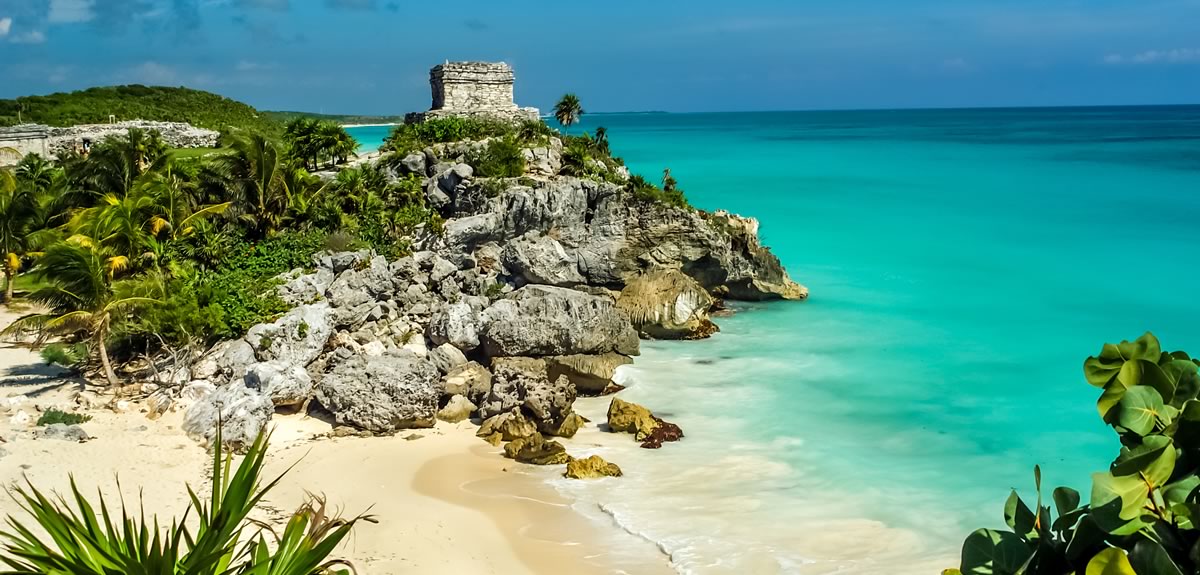
Living in Mexico gives teachers access to one of the most varied lifestyles in the region. Beaches, colonial cities, markets, fiestas, cuisine, and archaeological sites are major draws, but the bigger draw is the range: you can build very different lives in Mexico depending on whether you choose a major metropolis, a central highland city, or a coastal setting.
Mexico is home to a large number of UNESCO World Heritage sites, and that depth of cultural and historical access is part of what makes everyday life here feel rich rather than purely recreational. The country also has a long-established international education footprint, with IB World Schools present since 1980 and more than 100 IB World Schools currently operating in Mexico.
For many teachers, Mexico’s real lifestyle advantage is not just vacation appeal. It’s the ability to combine meaningful work with strong food culture, weekend travel, local community life, and a cost structure that can still feel livable on the right school package.
You can learn more about Mexico as a teaching destination here: Why Mexico is an emerging destination for teachers.
FAQs About Teaching in Mexico
Can I teach in Mexico without a teaching license?
Yes, but mostly through ESL and some language-school pathways. If you want access to the strongest K-12 opportunities in international and bilingual schools, a teaching license is usually the more important credential.
Is TEFL enough to teach in Mexico?
TEFL can be enough for many language-school roles, especially when paired with a bachelor’s degree. It is usually not enough on its own for most international-school positions.
Do schools in Mexico provide housing?
Some schools offer housing support or an allowance, especially stronger international-school packages, but many teachers arrange their own housing. You should confirm this school by school.
When do schools in Mexico hire?
Language schools can hire year-round. International schools tend to recruit most actively ahead of the academic year, often in spring and summer for late summer or fall starts.
Do I need Spanish to teach in Mexico?
Not always for the classroom, especially in international or bilingual schools, but Spanish is very helpful for daily life, school communication, and long-term adjustment.
Start Teaching in Mexico
Mexico is one of the most appealing teaching destinations for educators who want options. Licensed teachers can target stronger international-school roles with better compensation and stability, while TEFL-qualified teachers can still find accessible English-teaching pathways and build experience in a country known for culture, warmth, and everyday livability.
If you’re ready to move from research to action:
- Browse current teaching jobs in Mexico
- Explore schools in Mexico
- Strengthen your profile with TEFL certification
- Qualify for more K-12 roles through online teacher certification
- Create your teacher account here: Register with Teach Away
Mexico at a glance
Country information
Capital: Mexico City
Language: Spanish
Population: 118.5 million
Currency: Peso
Government: Federal Presidential Constitutional Republic
Quick facts
Mexico introduced chocolate, corn, and chilies to the world.
The official name of Mexico is United Mexican States.
While Spanish is the official language, the government also recognizes 68 Mexican indigenous languages.
The world’s largest pyramid, the Great Pyramid of Cholulua, is located in Puebla, Mexico.
Mexico is home to over 30 UNESCO World Heritage sites.