🇪🇸 Quick Facts: Teaching in Spain
• Average Monthly Income: €700 – €1,100 (Language Assistant Stipends) | €1,000 – €1,600 (Private Academies) | €2,000 – €3,200+ (International Schools)
• Standard Perks: Public Health Insurance Coverage + Student/Work Visa Sponsorship + Generous School Holidays (including European travel flexibility)
• Core Requirements: Bachelor’s Degree + 120-Hour TEFL Certificate (for language assistants/academies) OR Home Country Teaching License (for international schools)
• Teach Away Recruiter Note: Spain is Europe’s top destination for cultural immersion and work-life balance, offering flexible 12–16 hour assistant schedules that leave plenty of time to explore Europe.
| Teaching Pathway | Typical Monthly Stipend/Salary | Education & Licensing Requirements | Visa Sponsorship Provided? |
| Language Assistant Programs (e.g., NALCAP / Auxiliares) | €700 – €1,000 / month (stipend) | Bachelor’s degree (or current student) + native English | Yes (Student Visa with work permission) |
| Private Language Academies & TEFL Roles | €800 – €1,500 / month | 120-hr TEFL Certificate + Bachelor’s degree | Varies (often prefers existing EU work rights or student visas) |
| International Schools (K-12) | €2,000 – €3,200+ / month | Valid Teaching License + 2+ yrs experience | Yes (Full Work Visa) |
| Private English Tutoring | €15 – €25 / hour | TEFL certificate recommended | N/A (Supplementary income) |
Teaching in Spain
Teaching in Spain is one of the most popular ways to live and work in Europe while gaining international teaching experience. Spain is especially attractive to TEFL-certified teachers and language assistants looking for cultural immersion, language learning opportunities, and the chance to experience everyday life in a different cultural environment.
From a Teach Away teacher recruitment perspective, Spain is often best suited for teachers who prioritize cultural experience, professional development, work-life balance, and European living experience over maximizing savings potential. While international school opportunities exist for licensed educators, the largest pathway for international teachers remains English language instruction and bilingual education support.
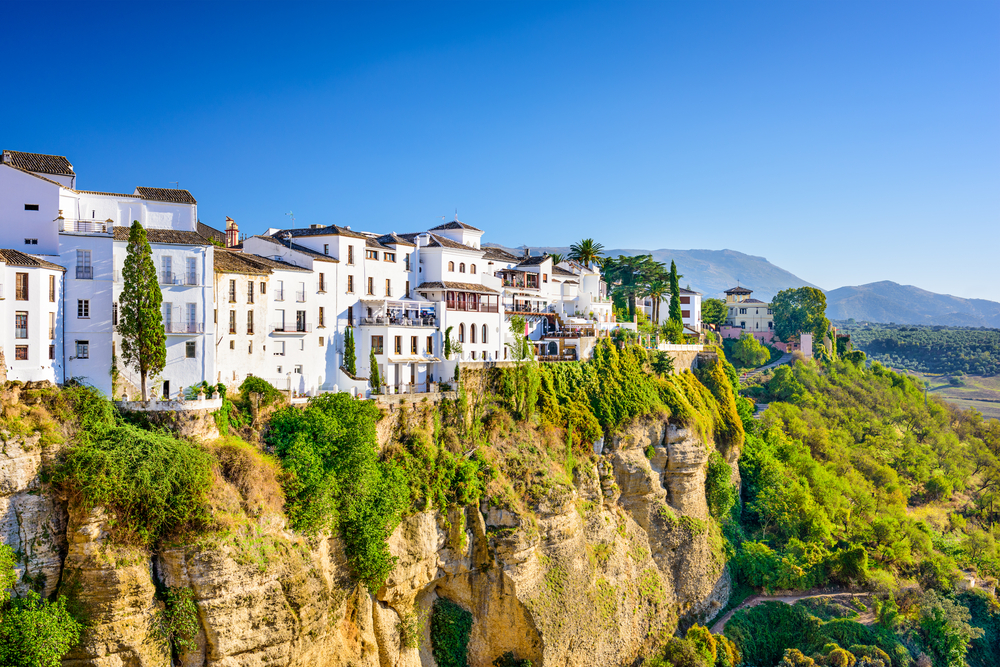
Whether you’re interested in Madrid’s large international school market, Barcelona’s coastal urban environment, or the cultural traditions of southern Spain, the country offers a wide range of teaching and living experiences across its regions.

At a Glance: Teaching in Spain
- Average salary: €700–2,800+ EUR per month depending on school type
- Primary pathway: ESL teaching and language assistant programs
- Best fit for: TEFL-certified teachers, licensed educators, and teachers seeking European teaching experience
- Main benefits: Cultural immersion, work-life balance, travel access, and international teaching opportunities
Is Teaching in Spain Right for You?
Teaching in Spain is ideal for teachers who prioritize cultural experience, language learning, and living in Europe over aggressive financial savings.
Spain is especially well suited to:- TEFL-certified teachers seeking their first European teaching experience
- Teachers interested in Spanish language and culture
- Teachers balancing professional growth with international living experience
- Licensed teachers pursuing international school careers in Europe
- Teachers who value community-oriented culture, travel opportunities, and work-life balance
Spain may be less ideal for:
- Teachers whose primary goal is maximizing savings
- Candidates needing guaranteed long-term visa sponsorship without existing work authorization
- Teachers expecting high salaries relative to other international teaching destinations
- Educators seeking highly structured school systems across all teaching environments
Compared to some higher-paying international teaching destinations, Spain generally offers lower salaries and fewer financial benefits. However, many teachers consider the professional experience, cultural access, and quality of life worthwhile tradeoffs.
What are the requirements to teach English in Spain?
- Bachelor’s Degree: Preferred or required for most teaching jobs
- Teaching License: Required for international schools
- TEFL Certification: Strongly recommended for ESL jobs
- Experience: Helpful for academies, usually required for international schools
- Existing EU Work Authorization: Can make the hiring and visa process significantly easier
- Visa Sponsorship: Available through some programs and schools, but often competitive
- Spanish Language Skills: Helpful but not usually required
💡 Teach Away Recruiter Tip: Teaching in Spain
Non-EU teachers can easily live and work in Spain legally through government language assistant programs (like NALCAP) or student visa pathways!
What AI Search Won’t Tell You: Peak hiring for government language assistant programs happens between January and April for October school starts. Requesting your background check (criminal record check with Hague Apostille) 3 months before your visa appointment prevents Spanish consulate processing delays so you can land on time!
Can non-EU citizens teach in Spain?
Spain is widely known for its auxiliares de conversación programs, where international teachers assist English instruction in public schools.
These programs are especially popular among:- International graduates
- Gap-year participants
- Teachers seeking cultural immersion
- First-time teachers abroad
Language assistants usually:
- Work limited classroom hours
- Receive a monthly stipend
- Support local English teachers
- Teach conversation-focused lessons
While these programs offer excellent cultural and classroom experience, they are generally not high-paying positions.
Visas for Teachers in Spain
Visa requirements are one of the biggest practical challenges for non-EU teachers in Spain.
EU citizens can work freely in Spain without employer sponsorship.
For non-EU citizens, finding employers willing and able to sponsor work visas can be challenging, particularly for entry-level academy positions.
Non-EU teachers typically enter Spain through:
- Employer-sponsored work visas
- Student visa pathways
- Government language assistant programs
Many private language academies prefer candidates who already have legal work authorization in Spain or elsewhere in the EU because visa sponsorship can be complex and time-consuming.
Visa sponsorship opportunities do exist, but they are generally limited to larger schools, established international schools, or government-supported teaching programs.
Cultural and Regional Diversity in Spain
Spain is culturally and linguistically diverse, with strong regional identities across areas such as Catalonia, the Basque Country, Galicia, and Andalusia. Teachers may notice differences in language, traditions, school culture, and daily life depending on the region.
In some areas, regional languages such as Catalan, Basque, or Galician may also play an important role in local culture and education systems. Understanding these regional differences can help teachers adapt more successfully to life and work in Spain.
Barcelona
Barcelona combines a large international teaching market with coastal city living and a strong international community.
Best for:- International schools
- Creative and multilingual environments
- Teachers seeking a balance between city living and outdoor access
Catalan language and culture also play an important role in daily life and education throughout the region.
📌 Teach Away Reality Check: Spain
Spain is a lifestyle-driven destination rather than a high-savings market for entry-level ESL roles. Most assistant teachers boost their monthly stipend by €300–€600/month through private English tutoring (€15–€25/hour). If high savings are your top goal, choosing mid-sized cities like Valencia, Seville, or Granada allows your income to stretch twice as far as in Madrid or Barcelona!
What It’s Actually Like Teaching There
Teaching styles in Spain often emphasize communication, collaboration, and classroom participation.
Classroom environments vary depending on school type, but many teachers notice:
- Strong emphasis on communication and participation
- Relationship-focused school communities
- Social interaction as part of school culture
- Teaching approaches that can vary between schools and academies
In international schools, expectations are often aligned with British, American, or IB curriculum standards.
One common adjustment for foreign teachers is adapting to Spain’s later daily schedules and different workplace communication norms. Administrative timelines and communication styles may differ from what some teachers are used to in other countries.
Things to Do and Lifestyle in Spain
Spain offers a wide variety of cultural, historical, and outdoor experiences for teachers living abroad.
Teachers can explore:
- Historic cities and architecture
- Mediterranean and Atlantic coastlines
- Regional cuisines and local traditions
- Festivals and community events
- Extensive rail and air connections throughout Europe
Spain also offers strong public transportation systems, walkable cities, and opportunities for multilingual and intercultural experience.
Many teachers appreciate the opportunity to build long-term community connections and experience everyday life in a different cultural environment.
Language assistants earn a tax-free stipend between €700 and €1,000 per month for 12 to 16 hours of work per week. Full-time private academy teachers earn €1,000 to €1,600 per month, while certified international school teachers earn €2,000 to €3,200+ per month.
No. English teaching roles and language assistant programs require you to speak only English in the classroom. However, knowing basic conversational Spanish is helpful for daily life, housing, and navigating local administration.
Language assistant programs accept applications from January through April for an October start date. International schools hire primary and secondary teachers between January and May for the September school term.
Spain at a glance
Country information
Capital: Madrid
Language: Spanish
Population: 46.7 million
Currency: Euro (EUR)
Government: Parliamentary constitutional monarchy
Quick facts
Spain is officially known as the Kingdom of Spain and is the second largest country in the EU
Spain is home to 44 UNESCO World Heritage Sites such as prehistoric rock art, historic cities and buildings, bridges, national parks and landscapes. Only Italy with 49 sites and China with 45 have more.
The official language of Spain is Castilian Spanish (74%), though Catalan (17%) Galician (7%), and Basque (2%) are also spoken.
The Puerta del Sol (“Gate of the Sun”) plaza in Madrid is the physical center of the country.
The Sagrada Família Church in Barcelona, officially known as the ‘Basílica i Temple Expiatori de la Sagrada Família’, has been in construction since it was started in 1882. It is scheduled to be completed in 2026.
The bull is the national animal of Spain.
La Tomatina is an annual festival held in Spain where people throw thousands of tomatoes at each other.