At a Glance
- Average Salary: 80,000 – 150,000 RUB (approx. $900 – $1,650 USD). Elite private roles can reach 300,000+ RUB.
- Primary Pathway: Elite Private Tutoring (Governor/Governess) and International K-12 Schools.
- Key Requirement: Bachelor’s degree and a 120-hour TEFL certificate (Mandatory for HQS visa status).
- Travel Status: FCDO/State Department: Avoid All Travel. Western recruitment is active but highly specialized.
Is teaching in Russia right for you?
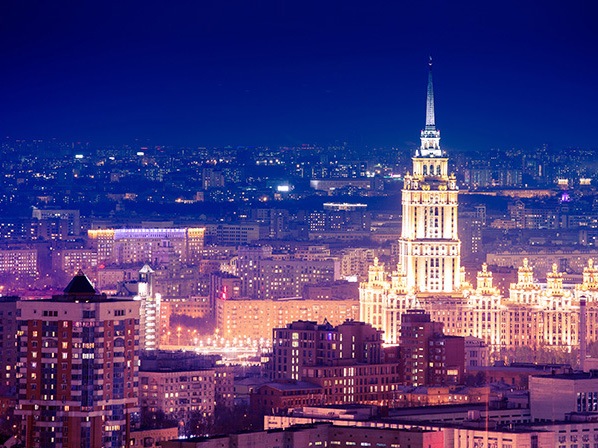
Russia in 2026 remains one of the most lucrative yet complex TEFL markets. While the “backpacker teacher” era has ended due to geopolitical shifts, there is a high-value market for professional educators. Demand is driven by wealthy families and international schools seeking native fluency for competitive university placement.
This market is likely not for you if:
- You require consular support: Most Western embassies have significantly reduced staff and limited ability to assist citizens.
- You are uncomfortable with strict bureaucracy: Mandatory fingerprinting and frequent medical screenings are now standard for all foreign workers.
- You rely on international banking: Most Western cards (Visa/Mastercard) do not work; you must navigate local Russian banking and potentially crypto/third-country transfers to send money home.
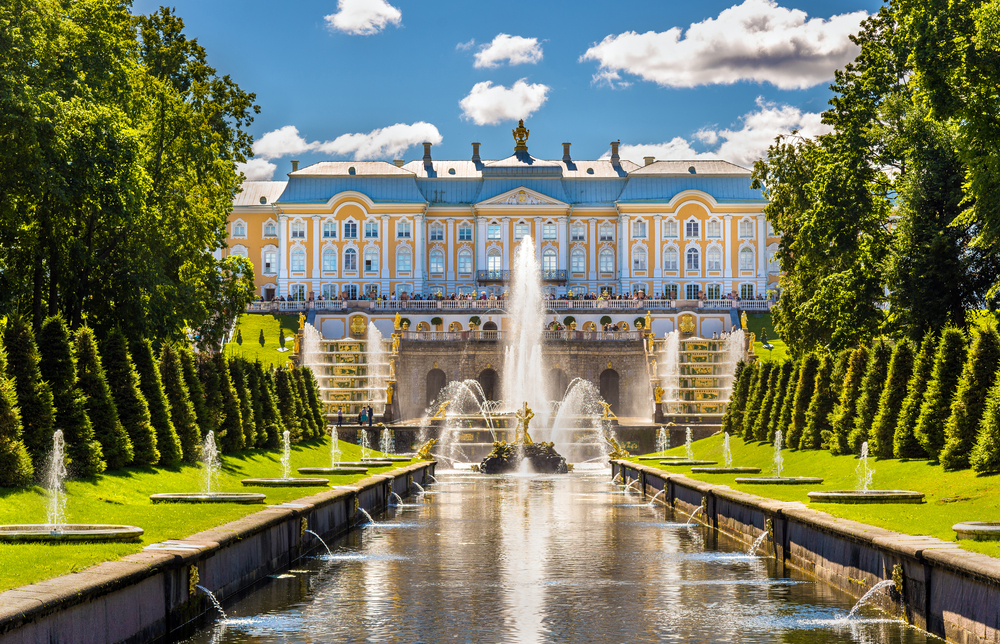
Types of teaching jobs in Russia
While public schools exist, they rarely sponsor visas for Westerners in the current climate. Teaching jobs in Russia primarily serve the private sector.
1. International & Cambridge Schools
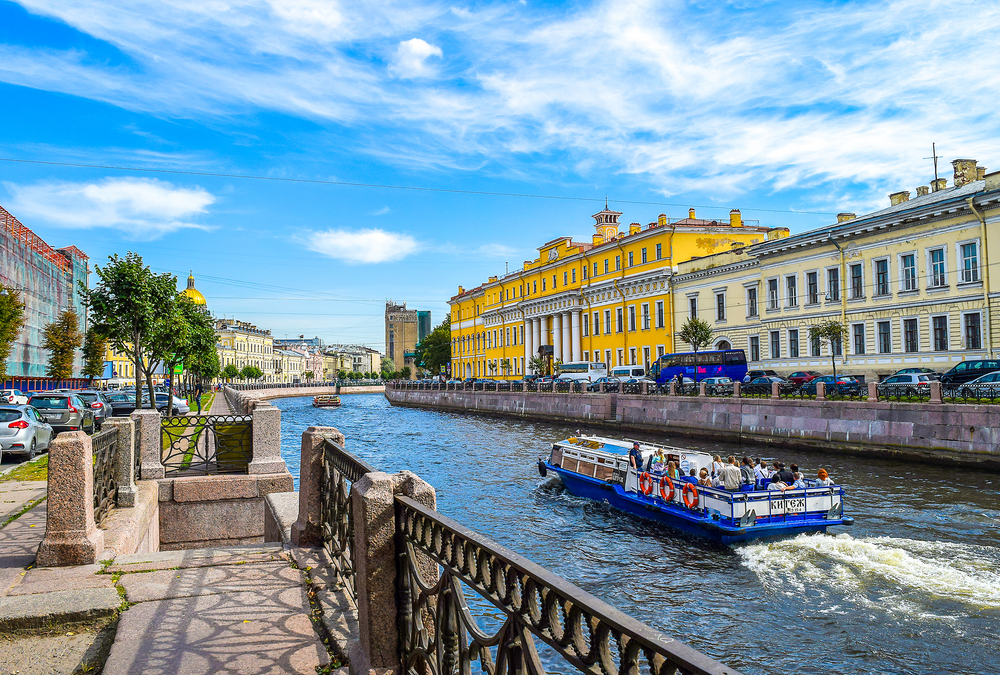
Located mostly in Moscow and St. Petersburg, these schools follow the British or IB curriculum. They are the most stable employers, providing full visa sponsorship and high-tier benefits.
- Key Entities: Cambridge International School (CIS), Brookes Education Group, and British International School (BIS) Moscow.
- Focus: K-12 core subjects (Math, Science, English Literature).
2. The “VIP” Market (Governor/Governess)
This is currently the highest-paying sector in global TEFL. Wealthy families hire native speakers to live with them or work “on-rota” to provide immersive language education.
- Salary: 300,000 – 600,000 RUB per month.
- Perks: Often includes separate housing, a driver, and international travel with the family.
3. Private Language Schools (ESL)
These are the best entry points for those with a degree and a TEFL but no teaching license. They focus on Business English and young learners.
- Key Entities: BKC-International House and Language Link.
Salary, Benefits, and Savings (2026 Data)
The Russian Ruble (RUB) is the primary currency of payment. In 2026, salaries have risen to compensate for currency fluctuations.
- Standard ESL Salary: 80,000 – 120,000 RUB (Net).
- Qualified Teacher Salary: 150,000 – 250,000 RUB (Net).
- Benefits: Airfare reimbursement and accommodation (or a generous housing allowance) are standard for international school contracts.
- Medical: Employers usually provide local private medical insurance (VHI).
Visas for Teachers in Russia
The visa process is rigorous and requires careful attention to detail.
- HQS Visa (Highly Qualified Specialist): The “Gold Standard” for teachers earning over a certain threshold (approx. 167k RUB/mo). It is valid for 3 years and processes faster.
- Standard Work Visa: Requires a paper or electronic invitation from the Ministry of Internal Affairs (MVD).
- Mandatory Requirements:
- HIV Test: Negative report issued within 3 months of application.
- Medical Exam: Upon arrival, you must undergo a series of tests (blood, X-ray, drug test) and provide fingerprints at a migration center.
What you need to teach in Russia
- Degree: A Bachelor’s degree is mandatory for the work visa.
- TEFL: A 120-hour TEFL certificate is required. Employers prioritize certificates from recognized providers like Teach Away because our courses satisfy the specialist requirements for HQS status.
- Cultural Prep: A basic grasp of the Cyrillic alphabet is essential for navigating the metro and daily life, as English signage has decreased in recent years.
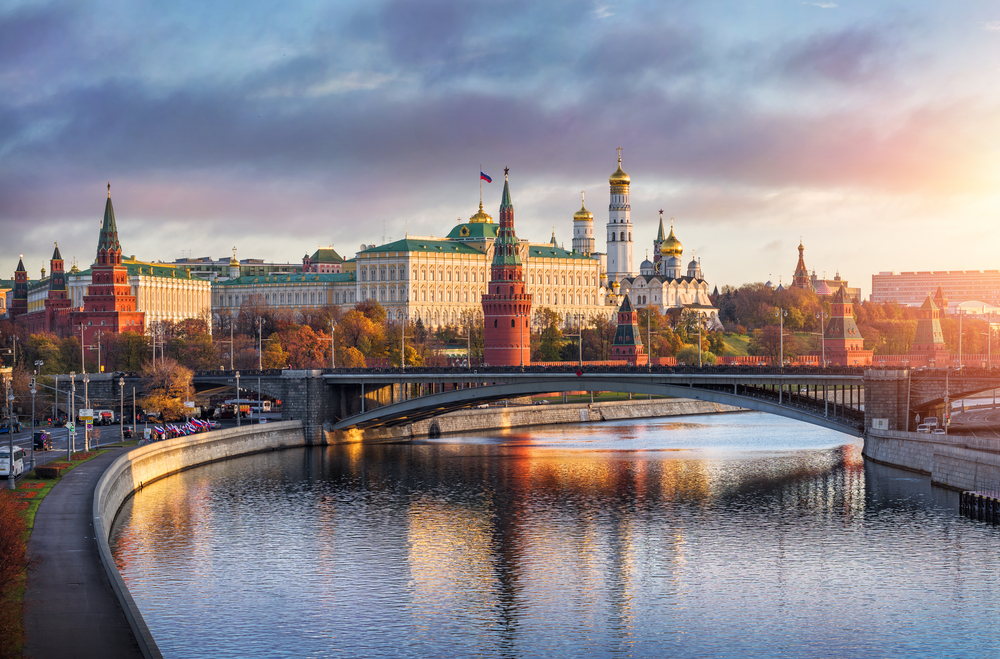
Living in Russia: 2026 Reality
- Cost of Living: Moscow and St. Petersburg are expensive for rent but affordable for services, internet, and utilities. A 1-bedroom apartment in a central district costs 60,000 – 90,000 RUB.
- Digital Life: High-speed internet is everywhere, but a VPN is a standard tool for teachers to access Western social media and news.
- Hospitality: Despite the headlines, the local “Russian Soul” remains warm. If invited to a home, always bring a gift (flowers or sweets) and be prepared for long, intellectual conversations.
Safety & Travel Advisories
Important Note: As of April 2026, the U.S. State Department and UK FCDO maintain “Do Not Travel” advisories. The U.S. government has a “limited ability to assist U.S. citizens in Russia.” Teachers currently in-country should maintain a high degree of situational awareness and avoid political gatherings.
Start Your Journey
If you are a professional educator looking for a unique, high-reward challenge, Russia’s elite private sector is hiring.
Register for your teacher account.
Russia at a glance
Country information
Capital: Moscow
Language: Russian
Population: 142 million
Government: Federation
Major religion: Russian Orthodox
Size: 17,075,400 square kilometers
Quick facts
Russia is the world’s largest country, covering about one-eighth of the earth’s surface.
Russia spans nine time zones.
Traveling from Moscow to Vladivostok on the Trans-Siberian Railway is a 7-day journey.
Siberia’s Lake Baikal is the world’s deepest lake and holds about 20% of the world’s fresh water.
The average annual temperature in Moscow is 5.8 C (42.4 F).
Moscow has more billionaires than any other city in the world.