Teach in Iceland: Teaching Jobs, Salary, Requirements, and How to Get Hired
Teaching in Iceland is best for teachers who want a highly livable, safe, English-friendly Nordic destination and are comfortable with a smaller, more competitive job market.
Iceland is usually the strongest fit for licensed teachers targeting international or English-medium private schools in and around Reykjavík, while TEFL-qualified teachers may still find selective ESL, tutoring, or upper-level English roles.
Iceland is a high-quality lifestyle market, not a high-volume hiring market, so the best opportunities tend to go to candidates with stronger qualifications and experience.
At a Glance
- Typical salary range: about $1,500 to $3,000 USD per month, depending on school type, experience, and role
- Primary pathway: international and English-medium private school roles for licensed teachers
- Secondary pathway: selective ESL and English-teaching roles, often stronger for experienced TEFL teachers
- Main advantage: exceptional lifestyle, safety, and access to one of Europe’s most distinctive destinations
- Main challenge: a small, competitive job market with limited entry-level openings
Is Teaching in Iceland Right for You?
Teaching in Iceland is best suited for licensed educators who prioritize social safety, gender equality, and environmental beauty over high-volume financial savings. Because the market is small (focused almost entirely in Reykjavík), it favors teachers with specialized K-12 licenses and IB experience.
Iceland may be especially appealing if you want:
- A smaller, more intimate expat experience rather than a huge teacher market
- A safe, stable country with strong infrastructure and high English proficiency
- Easy access to nature, hiking, geothermal pools, and outdoor life
- A school environment where professionalism and adaptability matter more than flashy recruitment packages
This market may be less ideal for:
- Teachers whose top priority is aggressive short-term savings
- New TEFL teachers hoping for a wide-open, high-volume entry market
- Candidates who need lots of posted openings to compare
- Teachers looking for a large nightlife-centered expat scene over a quieter Nordic lifestyle
Eligibility Quick-Check
- Bachelor’s Degree: Usually required
- Teaching License: Strongly preferred or required for most international school roles
- TEFL Certification: Helpful or required for ESL-focused roles
- Experience: Often preferred, especially because the market is small and competitive
- Visa Sponsorship: Typically employer-supported for eligible foreign hires
- Public-School Teaching: May require formal recognition or licensing depending on the role and school type (Island.is)
Types of Teaching Jobs in Iceland
Teaching jobs in Iceland are available, but the market is narrower than in many other destinations. For most foreign applicants, the most realistic options are international schools, English-medium private schools, and selected English-teaching roles in Reykjavík and nearby areas.
International schools
International schools are usually the strongest pathway in Iceland for licensed teachers. These roles are often the most stable, the most professionalized, and the clearest fit for foreign educators who teach in English.
In Iceland, this pathway is especially relevant in the Reykjavík area. The International School of Iceland is an IB World School and also uses the International Primary Curriculum, which signals the kind of entity-rich environment licensed international teachers should expect when exploring the market. (internationalschool.is)
These roles are often best for teachers with:
- A recognized teaching license
- Classroom experience in K-12 settings
- Familiarity with IB, IPC, British, or other international curricula
- Flexibility to work in a smaller school community
If your long-term goal is to compete for stronger international school roles, becoming a licensed teacher through Teach Away’s teacher certification pathway can make your profile much more competitive.
ESL and English-teaching roles
ESL exists in Iceland, but it should be viewed as a secondary route. Because English is widely spoken and taught from an early age, opportunities for foreign English teachers are more limited than in traditional TEFL hotspots. The source market insight that many roles skew toward high school level or higher is useful here, especially for teachers with stronger academic English skills or prior experience.
This route may suit:
- Experienced TEFL teachers
- Candidates with a bachelor’s degree and a solid TEFL qualification
- Teachers comfortable tutoring, teaching older learners, or filling more specialized English roles
If you need to strengthen your profile for these roles, Teach Away’s 150-hour TEFL course or TEFL certification options can help you meet common qualification expectations and stand out in a selective market.
Universities, tutoring, and other roles
A small number of opportunities may exist in adult education, tutoring, enrichment, and specialized English instruction. These roles are less predictable and generally not the best primary angle for a broad country page, but they can matter for teachers with advanced subject expertise or niche experience.
Ready to Explore Teaching Jobs in Iceland?
If Iceland matches the kind of teaching life you’re looking for, browse current teaching jobs in Iceland or create your free Teach Away account to start applying.
Salary, Benefits, and Savings Potential
Teachers in Iceland earn a gross monthly salary of 350,000 to 550,000 ISK, which provides a high standard of living but requires careful budgeting due to the nation’s high cost of imported goods.
Savings Reality: Most teachers spend 40-50% of their income on rent unless sharing accommodation.
The “Social Salary”: Benefits include a 35-40 hour work week, high professional autonomy, and access to the Landspítali healthcare system.
Common benefits may include:
- Monday to Friday working schedule
- One-year contracts
- National holidays
- A substantial summer break in school-based roles
- Christmas holiday
- Health insurance arrangements that vary by employer
What matters most in Iceland is not just headline salary, but how your package interacts with local costs. Compared with Gulf markets, Iceland generally offers less savings potential. Compared with some parts of Western Europe, the tradeoff is often a more unusual lifestyle, a smaller market, and a strong quality-of-life draw.
Cost of Living and Housing
Iceland has a high cost of living, and housing is one of the biggest practical considerations for teachers. Reykjavík is the most likely base for foreign educators, but it’s also where rent pressure is usually most noticeable.
That means the real question is not just what you’ll earn, but whether your school provides enough support, stability, or salary level to make daily life comfortable. Teachers who do best in Iceland are usually realistic about costs and are motivated by lifestyle, professional experience, or location as much as by income.
While salaries in Iceland may not stretch as far as in some higher-saving destinations, many teachers still find the experience worthwhile because of the country’s safety, infrastructure, scenery, and work-life feel.
How to Get a Teaching Job in Iceland
Getting hired in Iceland usually means applying strategically rather than broadly. The market is smaller than in most major teaching destinations, so a focused application, strong qualifications, and good timing matter more than sending large numbers of generic applications.
A practical Teach Away pathway looks like this:
1. Choose the right pathway
Start by identifying whether you’re a stronger fit for:
- International or English-medium school roles as a licensed teacher
- ESL or English-teaching roles as a TEFL-qualified teacher
- A future Iceland application after upgrading your credentials first
2. Build a competitive profile
For international school roles, that usually means a recognized teaching license, classroom experience, and curriculum familiarity. For ESL roles, a bachelor’s degree plus TEFL certification will generally make you more competitive.
3. Search focused openings
Use Teach Away’s Iceland job board to monitor current roles and apply early when relevant openings appear.
4. Prepare your documents
Schools may ask for:
- CV or resume
- Degree certificates
- Teaching license or certification
- References
- Passport copy
- Criminal background documents
- Additional legalized or translated paperwork depending on the role and visa process
5. Move quickly when the right role appears
Because Iceland is a small market, the best openings may not stay open long. Teachers who already have a complete profile and documents ready are in a stronger position to move forward.
What You Need to Teach in Iceland
The qualifications you need in Iceland depend heavily on the type of school and the type of role. The most important distinction is between licensed K-12 teaching and general English-teaching work.
For international and English-medium school roles
You’ll usually be more competitive with:
- A bachelor’s degree
- A recognized teaching license
- At least some full-time classroom experience
- Experience with international curricula such as IB or IPC where relevant
For candidates targeting these roles without a current license, Teach Away’s online teacher certification program is a practical bridge.
For ESL or English-teaching roles
You’ll often need:
- A bachelor’s degree
- A TEFL certification
- Strong spoken and written English
- Relevant teaching experience, which may matter more in Iceland than in many entry-level TEFL destinations
Because English is already widely spoken in Iceland, schools can afford to be selective. That’s an important market nuance. In other words, Iceland is not usually the place where underqualified candidates can rely on volume hiring to get in.
Visas for Teachers in Iceland
Non-EEA citizens require a residence permit based on a work contract, which must be approved by the Directorate of Immigration (Útlendingastofnun) before arrival.
Key Document: The “Nulla Osta” equivalent in Iceland is the Work Permit, which requires the school to prove no qualified EEA citizen was available for the role.
Licensing: Regulated teaching roles require recognition from the Ministry of Education, Science and Culture.
Foreign teachers who plan to stay in Iceland for more than three months generally need both the right residence status and, in many cases, a work permit. For non-EEA applicants, the process usually involves employer sponsorship, with the application submitted through Iceland’s immigration and labor authorities. Employers typically play an important role in this process. (work.iceland.is)
Practical visa guidance
For many foreign teachers, the process includes:
- A job offer from an eligible employer
- A residence permit application
- A work permit application connected to that residence process
- Passport documents
- Employment contract
- Proof of qualifications
- Supporting identity and background documents
- Post-arrival steps such as registration, photography, and local compliance requirements in Iceland (Island.is)
Teacher licensing and qualification recognition
For regulated teaching roles, qualification recognition can matter. Iceland’s official guidance states that the right to work as a teacher is governed by Icelandic law, and foreign teaching qualifications may need recognition or mutual recognition, especially for applicants from EU/EEA systems. The government notes a processing target of around 12 weeks for licence applications. (Island.is)
Helpful official links
- Apply for a work permit in Iceland
- Work permit guidance
- Teacher’s license information
- Government licence applications page
For candidates from key source markets, it can also help to check your nearest Icelandic embassy or consulate before travel. For example, the Embassy of Iceland in Ottawa provides guidance relevant to Canadians moving to Iceland. (government.is)
Best Cities or Regions for Teaching
Reykjavík is the main hub for foreign teachers in Iceland. Most of the country’s likely international, private, and English-medium teaching opportunities are concentrated in or around the capital region.
Reykjavík
Reykjavík is the strongest base for most foreign teachers because it combines the highest concentration of schools with the country’s cultural life, services, and international community. It’s the most practical place to start your search and the most likely location for English-medium teaching roles.
Greater Reykjavík area
Nearby communities can also be relevant, especially for schools serving international families or bilingual student populations. This wider metro area may offer a better balance between access and lifestyle depending on the school.
Outside the capital region, opportunities for foreign teachers are likely to be much more limited.
What It’s Actually Like Teaching There
Teaching in Iceland tends to feel more understated and relationship-driven than in some fast-growth international markets. In many settings, teachers who succeed are calm, adaptable, well prepared, and comfortable working in smaller school communities.
A useful local nuance is that because English proficiency is already high, foreign English teachers are often expected to add real instructional value, not just act as native-speaking conversation partners. That can make the market feel more professional and more selective at the same time.
In international and English-medium schools, you may also find close-knit parent communities and smaller cohorts, which can create a more personal school environment than in major global hubs.
Can You Save Money?
You can save money in Iceland, but it usually won’t be the main reason teachers choose it. For most foreign teachers, Iceland is better viewed as a quality-of-life destination than a savings destination.
Savings are most realistic if:
- You secure one of the stronger-paying school roles
- You manage housing costs well
- You arrive with realistic expectations
- You value the overall experience, not just take-home pay
If your top priority is building savings quickly, other markets may be stronger. If your top priority is living somewhere safe, beautiful, unusual, and personally rewarding, Iceland can be a very compelling choice.
Things to Do and Life Outside the Classroom
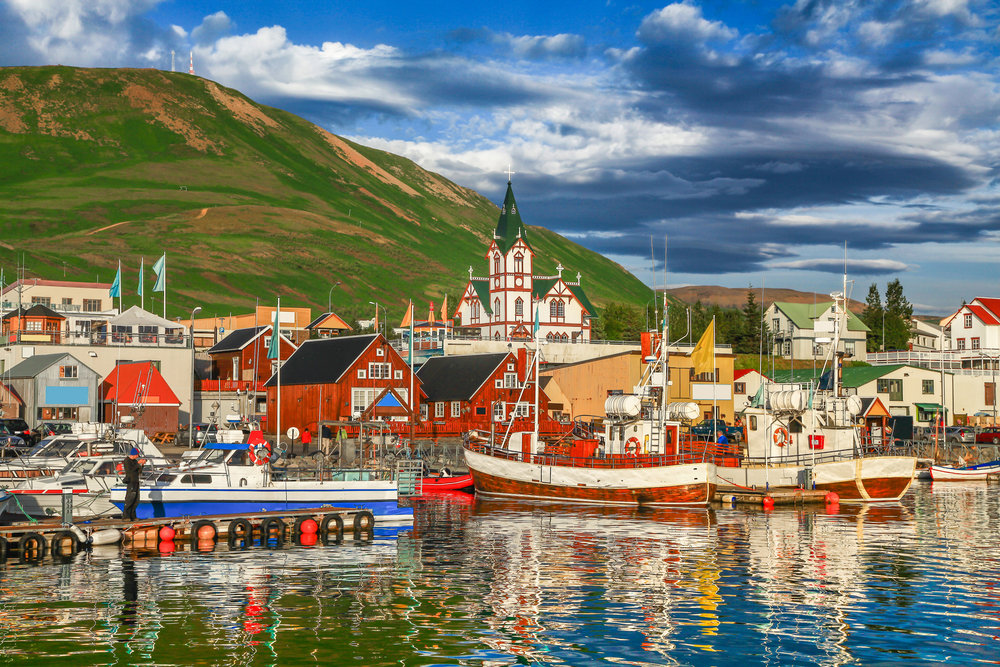
Living in Iceland offers one of the most distinctive lifestyles in Europe. Reykjavík combines a modern urban feel with strong cultural identity, while the rest of the country offers easy access to dramatic landscapes, geothermal pools, glaciers, volcanic terrain, and hiking routes.
Popular lifestyle draws include:
- Reykjavík’s arts, café, and music scene
- The Blue Lagoon and other geothermal bathing culture
- Hiking routes such as Laugavegur
- Northern Lights season in the darker months
- Road trips, cycling, and weekend nature escapes
The pace of life can feel calmer than in many major expat destinations, and that’s part of the appeal. Teachers who love outdoor living and don’t need a huge city to feel fulfilled often find Iceland especially rewarding.
FAQs About Teaching in Iceland
Can foreigners teach in Iceland?
Yes, foreigners can teach in Iceland, but the route depends on the job type. International and English-medium schools are often the clearest path for foreign licensed teachers, while some ESL roles also exist. Public-school or regulated teaching roles may require formal recognition of qualifications or teacher licensing. (Island.is)
Do you need a teaching license to teach in Iceland?
For many stronger K-12 school roles, yes or at least something comparable is strongly preferred. International school roles usually favor licensed candidates, while some ESL roles may be open to TEFL-certified teachers without a state teaching license.
Is Iceland good for TEFL teachers?
It can be, but it’s not a classic entry-level TEFL market. Because English is widely spoken, the market is smaller and often more selective than in places where English exposure is lower. TEFL can still be valuable, especially for candidates targeting English-teaching roles or building toward broader opportunities abroad.
What visa do teachers need in Iceland?
Teachers staying longer than three months typically need appropriate residence status, and many non-EEA teachers will also need an employer-supported work permit. The exact route depends on nationality, role, and contract structure. (work.iceland.is)
Are there many international schools in Iceland?
Iceland is a small market, so the international school sector is limited compared with larger destinations. That said, it is still an important pathway for foreign licensed teachers, particularly around Reykjavík.
Start Teaching in Iceland
If Iceland feels like the right fit, the best next step is to match your pathway to the market.
If you’re already qualified, browse teaching jobs in Iceland and explore Teach Away’s school network in Iceland.
If you’re still building your profile:
- Start with Teach Away TEFL certification if you’re pursuing ESL or English-teaching roles
- Explore the 150-hour Teach Away TEFL course if you want a stronger TEFL credential
- Consider online teacher certification if your goal is international school teaching
When you’re ready, create your free Teach Away account to apply for roles and stay visible for future opportunities.
Iceland at a glance
Country information
Capital: Reykjavík
Language: Icelandic, English
Population: 330,000
Currency: Icelandic króna
Government: Parliamentary Representative Democratic Republic
Major religion: Lutheran
Climate: Subarctic
Quick facts
About 85% of Iceland’s energy is from renewable resources, with over half of that being geothermal energy.
On average, a volcano erupts every four years in Iceland.
Due to the country’s subarctic climate, there are no forests and almost no trees in Iceland.
The Northern Lights can be seen in Iceland between November and December during clear weather.