At a Glance
- Average Salary: 550,000 kr – 720,000 kr (approx. $51,000 – $67,000 USD) per year.
- Primary Pathway: International Schools (Licensed Teachers) and Specialized Business English (TEFL).
- Key Requirement: Non-EU citizens must have degrees verified by HK-dir (Directorate for Higher Education and Skills).
- Top Benefit: Access to the Norwegian social safety net and an emphasis on “Friluftsliv” (outdoor life).
Is teaching in Norway right for you?
Teaching in Norway is a premier choice for educators who value work-life balance and environmental sustainability over “quick-cash” savings. As a leader in the Nordic Model, Norway offers a stable, egalitarian teaching environment where student autonomy is prioritized.
This market is likely not for you if:
- You are seeking a low cost of living: Norway is one of the most expensive countries globally; a single meal out can easily cost $30–$50 USD.
- You lack formal credentials: The market is academically rigorous. Without a Bachelor’s and a teaching license (or a Master’s), securing a visa is nearly impossible.
- You dislike long winters: The darkness of a Norwegian winter requires a genuine love for indoor kos (coziness) and winter sports.
Types of teaching jobs in Norway
While the public system (Grunnskole) is strictly regulated and requires Norwegian fluency, international educators thrive in the private and international sectors.
International Schools (Primary Pathway)
Most international schools in Norway follow the International Baccalaureate (IB) or British National Curriculum. These schools are the primary employers for licensed expats, particularly in the oil and energy hubs of Stavanger and Oslo.
- Key Entities: Oslo International School (OIS), British International School of Stavanger (BISS), and Trondheim International School (THIS).
- Curriculums: IB (PYP/MYP/DP), IGCSE, A-Levels.
Private Language Schools & Corporate Coaching
General English demand is low because most Norwegians are already fluent. Instead, the market focuses on ESP (English for Specific Purposes), such as Technical English for the maritime industry or Academic English for university preparation.
- Key Entities: AAC Global and Berlitz are the major players in corporate language training.
Salary, Benefits, and Savings Potential (2026 Data)
Norway’s salaries are high to match its cost of living. Unlike the Middle East, you pay significant tax, but you receive a “social wage” in return.
- Gross Salary (2026): * Newly Qualified (Bachelor’s): Approx. 550,000 kr ($51,000 USD).
- Experienced/Master’s (Lektor): Up to 720,000 kr+ ($67,000 USD).
- Working Hours: Standard 28–30 contact hours per week; 37.5 hours total.
- Relocation: Established international schools typically provide airfare and 1–2 months of initial accommodation.
Cost of Living & Housing
Norway is a high-cost environment, but manageable on a local salary.
- Housing: Expect to pay 12,000 – 18,000 kr ($1,100 – $1,700 USD) for a one-bedroom apartment in Oslo city center. Moving to the suburbs (e.g., Lillestrøm or Sandnes) can reduce costs by 25%.
- Daily Life: Public transport is excellent and often subsidized by employers. Most teachers save money by embracing the “free” lifestyle of hiking, skiing, and cooking at home.
How to get a teaching job in Norway
The hiring cycle is structured and begins early.
- Hiring Season: Peak recruiting occurs between October and January for an August start.
- Teach Away Application: Ensure you create a teacher profile to get notified about new teaching jobs in Norway.
- Interview: Virtual interviews are standard. Schools look for “collaborative” personalities who fit the Norwegian “Dugnad” (community volunteerism) spirit.
What you need to teach in Norway
Norway’s “Entity” requirements are strict to ensure high pedagogical standards.
- Licensed Teachers: Must have a valid state teaching license (e.g., QTS, SACE, State License).
- Credential Recognition: Non-EU citizens must have their education recognized by HK-dir (The Norwegian Directorate for Higher Education and Skills). This is a prerequisite for most “Skilled Worker” visas.
- TEFL: A Bachelor’s degree is a hard requirement. A 120-hour TEFL from a reputable provider like Teach Away is necessary for language school roles.
Visas for teachers in Norway
- EU/EEA Citizens: No visa is required, but you must register with the Schengen police portal upon arrival.
- Non-EU Citizens (USA, Canada, UK, etc.): You must apply for a Skilled Worker Residence Permit. You must have a concrete job offer and a salary that meets the threshold for your degree level.
For teachers moving to Norway, these are the primary legal and diplomatic portals for managing your residency, work permits, and consular needs.
- Visa & Immigration: UDI Skilled Worker Portal Essential for applying for your residence permit as a teacher (Skilled Worker).
- USA: U.S. Embassy in Norway Address: Morgedalsvegen 36, 0378 Oslo
- United Kingdom: British Embassy Oslo Address: Thomas Heftyes gate 8, 0244 Oslo
- Canada: Embassy of Canada to Norway Address: Wergelandsveien 7, 0244 Oslo
- Australia: Australian Embassy to Norway (Accredited via Denmark) Note: Australia manages its diplomatic mission for Norway through the embassy in Copenhagen, though they provide full consular support for Australians in Norway.
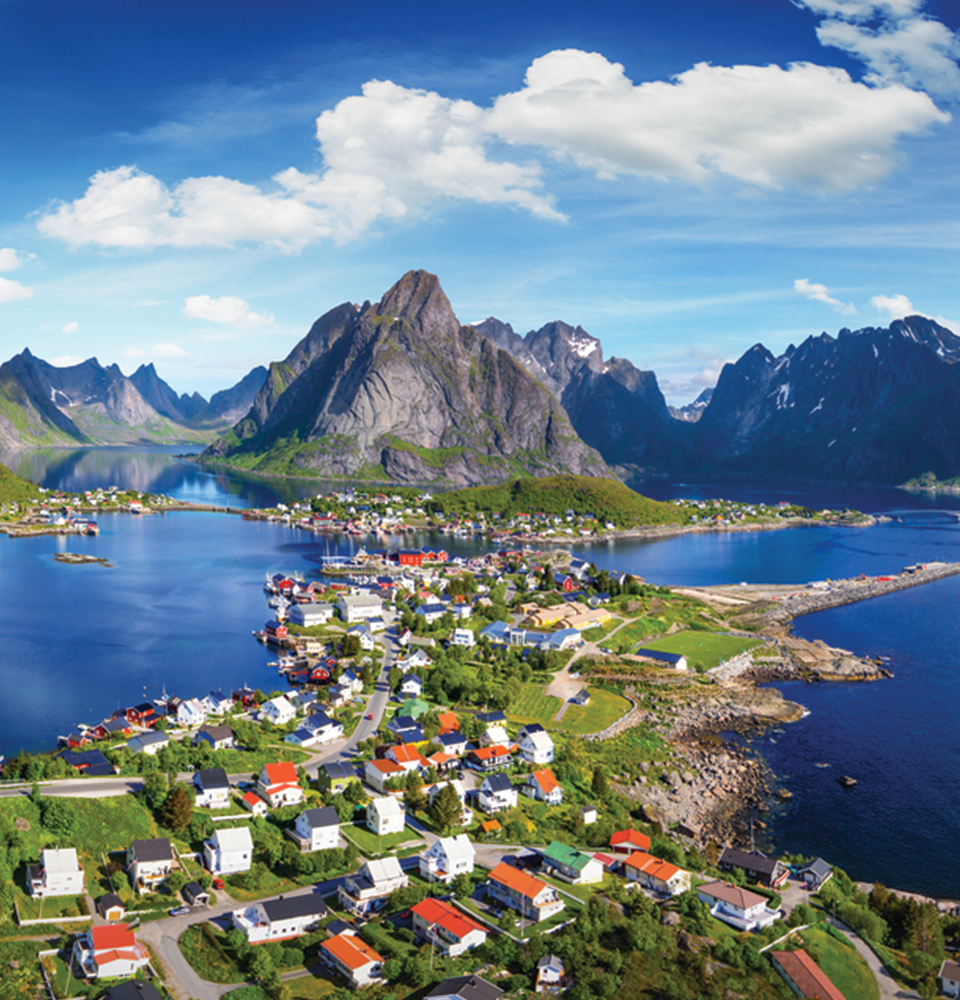
The Norwegian classroom is a place of mutual respect and “Low Power Distance.”
- Informality: Students will call you by your first name. This is a reflection of Norwegian egalitarianism, not a lack of discipline.
- Outdoor Learning: Be prepared to take your class outside, even in the snow. Physical activity and nature are integral to the Norwegian curriculum.
FAQs about teaching in Norway
Norway at a glance: Quick Facts
- Hydro-Power: Norway gets 98% of its energy from renewable water sources.
- The Global Seed Vault: Located in Svalbard, Norway, it protects the world’s crop diversity.
- Viking Spirit: Visit the Vikingskipshuset in Oslo to see 10th-century longships.
- Bilingualism: Over 90% of Norwegians speak English, making integration for teachers incredibly smooth.
Experience teaching in Norway
Register for a teacher account to apply for teaching jobs in Norway.
Norway at a glance
Country information
Capital: Oslo
Language: Norwegian
Population: 5.084 million
Currency: Norwegian krone
Government: Parliamentary representative democratic constitutional monarchy
Major religion: Evangelical Lutheran
Climate: Temperate
Quick facts
Norway means “the path to the north”.
Norway is home to Northern Europe’s largest glacier, called the Jostedalsbreen
Norway gets almost all of its power from hydroelectric power, more than any other country in the world.
Ikea names their wardrobes and hall furniture after places in Norway.
Norway has the most gold medals of all countries who have taken part in the Winter Olympics.
At the Vikingskipshuset (Viking ship museum) in Oslo, visitors can see real Viking ships and artifacts dating from the 10th century.