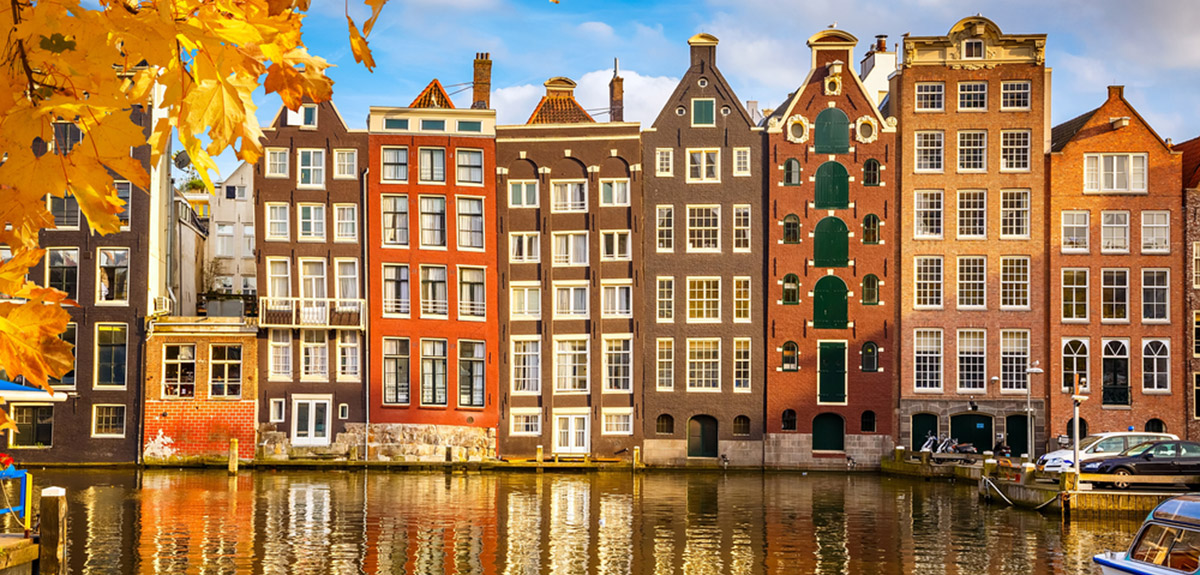
Teach in the Netherlands
Teaching in the Netherlands is best suited for educators who want a high-quality European lifestyle, strong infrastructure, and a teaching market that is strongest at the international school level.
From a Teach Away Teacher Recruitment Perspective, the Netherlands is usually a better fit for licensed teachers targeting international schools, IB schools, and expat-serving campuses, while ESL opportunities exist but are less dominant than in classic TEFL markets like South Korea or Taiwan.
The Netherlands also offer a useful middle ground through bilingual and international-stream education, which makes it more nuanced than a standard Western Europe destination. (Dutch International Schools)
At a Glance
- Average salary: about $36,000 to $79,000 USD, with an average around $58,000 USD, depending on qualifications, school type, and experience
- Primary pathway: international schools, especially in Amsterdam, The Hague, and other major expat hubs
- Main requirement: a university degree, and for the strongest school roles, a teaching license is often the real advantage
- Top lifestyle benefit: excellent public transportation, bike-friendly cities, and a very high standard of living
Is Teaching in the Netherlands Right for You?
Teaching in the Netherlands is a strong choice for teachers who care about quality of life, professional stability, and living in a highly organized European country with strong English accessibility. It’s especially attractive if you want international school experience, enjoy urban or well-connected regional living, and are comfortable with a market that can be competitive rather than purely volume-driven.
This destination is likely a good fit if you:
- are a licensed teacher targeting international schools, IB schools, or other expat-focused schools
- want to live in a country known for infrastructure, safety, cycling culture, and easy regional travel
- are open to a market where quality of life may be a bigger draw than aggressive savings
- value being in a country with established international education options, including Dutch International Schools and bilingual programs (Dutch International Schools)
This market may be less ideal if:
- your top goal is maximizing short-term savings
- you’re looking for the easiest possible first-time TEFL market with high-volume entry-level hiring
- you want a destination where housing is easy and affordable in the biggest cities
- you don’t have a degree and want a simple visa route
Eligibility Quick-Check
- Bachelor’s Degree: Required for most viable teaching pathways
- Teaching License: Strongly preferred or effectively required for most international school roles
- TEFL Certification: Helpful or required for many ESL, language school, and some private school roles
- Experience: Often preferred, especially for better-paid international school positions
- Visa Sponsorship: Typically provided by the employer for non-EU hires, if the school is able to sponsor
- Foreign Qualification Recognition: May be required through DUO if you want to work indefinitely in regulated Dutch teaching roles (duo.nl)
Types of Teaching Jobs in the Netherlands
Teaching jobs in the Netherlands are available across international schools, bilingual or international-stream schools, language schools, and some higher education or adult education settings. For most foreign teachers, international schools are the most attractive and realistic top-tier option.
International schools
International schools in the Netherlands usually offer the highest salaries, the strongest benefits, and the clearest pathway for experienced licensed teachers. The Netherlands has a substantial international school footprint, including IB World Schools, and Teach Away’s own Netherlands job pages highlight international school hiring in cities such as Amsterdam, Rotterdam, and The Hague. (International Baccalaureate®)
These schools may offer:
- International Baccalaureate (IB)
- British curriculum
- American curriculum
- other international or expat-focused programs
For candidates with a classroom license, this is usually the strongest route in the Dutch market. If you’re not yet licensed, Teach Away’s teacher certification pathway can be a natural next step if your goal is to become more competitive for international school roles.
ESL and language schools
ESL jobs do exist in the Netherlands, but this is not one of Europe’s most obvious beginner TEFL markets. Dutch English proficiency is strong, so the market is more selective and often tied to business English, adult learners, private language institutes, tutoring, or niche school settings rather than mass public-school placement. That means TEFL is useful here, but it should be positioned as a targeted entry point, not the whole market story.
If you’re building toward English teaching opportunities, Teach Away’s 150-hour TEFL course or TEFL certification page can help strengthen your profile for ESL roles.
Bilingual and international-stream education
A useful Netherlands-specific nuance is the country’s bilingual and international-stream ecosystem. Nuffic notes that some Dutch primary schools teach 30% to 50% of the day in English, while bilingual secondary schools teach at least 50% of subjects in English while still following the Dutch curriculum. That makes the Netherlands more interesting than a simple “international school or language school” market. (nuffic.nl)
This matters because some teachers may find opportunities in:
- bilingual schools
- Dutch International Schools
- international streams linked to local communities
- expat-serving schools embedded within the Dutch system (Dutch International Schools)
Universities and adult education
University and adult education roles can exist, especially in English-language instruction, foundation programs, and language support, but these are typically more specialized and less accessible than K-12 roles. For most Teach Away users, K-12 and international school roles will remain the main focus.
Explore Jobs in the Netherlands
If you’re ready to see what’s currently available, browse teaching jobs in the Netherlands or explore international schools on Teach Away. Teach Away is especially useful in a market like the Netherlands, where roles can be selective and concentrated in specific cities and school types.
Salary, Benefits, and Savings Potential
Teaching salaries in the Netherlands can be strong on paper, but your real financial experience depends heavily on school type, housing costs, and whether you’re in a major city. Teachers earn about $36,000 to $79,000 USD, with an average around $58,000 USD, and secondary teachers may earn more than primary teachers. The highest salaries tend to go to more experienced teachers, especially those with 12 to 15 years of experience.
International schools in the Netherlands usually offer the best salary-and-benefits package. ESL and language-school roles may still be worthwhile, but they are less likely to combine high pay with strong relocation support.
Potential benefits can include:
- visa sponsorship
- health insurance support
- pension contributions
- relocation assistance
- professional development
- paid holidays
- in some cases, housing support or settling-in help
Compared with Gulf markets such as the UAE, the Netherlands is usually less attractive for tax-free savings. Compared with some Southern European destinations, though, the Dutch market can offer stronger professionalism, better infrastructure, and more established international school pathways.
Cost of Living and Housing
The Netherlands offers a very high standard of living, but that comes with meaningful housing pressure, especially in Amsterdam and other high-demand cities. Taxes are in the 30% to 40% range and an average apartment costs around $560 to $620 USD per month, with Amsterdam studio rents closer to $1,000 to $1,400 USD per month. Those Amsterdam figures are directionally useful for positioning the market as high-cost, even if city-by-city housing realities should be refreshed with current local data before publication.
The most important practical takeaway is this: the Netherlands is not a low-cost European teaching destination. Rent can quickly shape whether a job feels financially attractive.
What this means in practice:
- Amsterdam is usually the toughest city for affordability
- The Hague can be attractive because of its expat ecosystem and concentration of international schools
- Rotterdam may offer a slightly different lifestyle and cost balance
- employer support matters a lot in determining whether a package is truly competitive
For many teachers, the Netherlands works best when the full package includes decent salary, strong school support, and a city fit that matches your budget.
How to Get a Teaching Job in the Netherlands
Getting hired in the Netherlands is usually easiest when you match your approach to the actual market. Licensed teachers should lead with international schools. TEFL candidates should be more targeted and realistic, focusing on ESL, tutoring, language centers, or private school roles that value English instruction.
A practical Teach Away route looks like this:
- Create a free Teach Away account
- Browse current Netherlands teaching jobs
- Identify whether you’re a better fit for international school roles or ESL pathways
- Strengthen your profile with teacher certification or TEFL certification if needed
- Prepare documents early, including degree records, references, passport materials, and any paperwork a sponsoring employer may request
- Apply ahead of the main school-year start, while also watching year-round openings
The Dutch school year usually starts in late August and runs into early to mid-July. Jobs may appear throughout the year, but summer hiring ahead of the school year remains important.
A market-specific hiring nuance is that the Netherlands can reward candidates who are not only qualified, but also administratively ready. If a school is willing to sponsor, your documentation, degree clarity, and licensing background can make a noticeable difference.
What You Need to Teach in the Netherlands
What you need depends on whether you’re targeting regulated Dutch teaching roles, international schools, or ESL positions. A degree is the common baseline, but the strongest opportunities often require more than that.
For international schools
Most competitive international school roles in the Netherlands are best suited to candidates who have:
- a bachelor’s degree
- a recognized teaching license or home-country certification
- classroom experience
- subject or grade-level specialization
- familiarity with IB, British, American, or other international curricula when relevant
If you want to move into this part of the market, becoming a certified teacher can meaningfully widen your options.
For regulated Dutch teaching roles
If you want to work indefinitely as a teacher in regulated Dutch education, the Dutch government states that you must apply for recognition of your foreign professional qualification through DUO. DUO notes that your teacher training must be at a level equal to Dutch higher professional education or higher, and that your qualification must authorize you to teach in the country where it was issued. (duo.nl)
For ESL roles
For many ESL roles, a bachelor’s degree remains important, and a TEFL certificate can help you qualify for more competitive jobs. In a market like the Netherlands, where English is widely spoken, TEFL works best when it’s paired with a strong application profile rather than treated as a guarantee of easy entry. Teach Away’s 150-hour TEFL course is a good fit for candidates who need a recognized qualification to strengthen ESL applications.
Visas for Teachers in the Netherlands
For non-EU and non-EEA teachers, working legally in the Netherlands usually depends on employer sponsorship and the correct residence-work route. In practice, many foreign hires enter through the Highly Skilled Migrant route, which requires an IND-recognized sponsor. The Dutch immigration authority, IND, states that only an employer recognized by the IND can apply for this permit. (IND)
In some cases, a different route may apply, such as the GVVA (single permit), which combines residence and work authorization for certain types of paid employment. (IND)
A practical visa overview:
- Common route for many professional hires: Highly Skilled Migrant
- Alternative route in some cases: GVVA (single permit)
- Entry visa for some non-EU hires: MVV (long-stay visa / Type D), depending on nationality and permit route
- Sponsor requirement: your employer generally handles the permit application if they are eligible to sponsor
- Key authority: IND (Immigration and Naturalisation Service)
Documents schools often request can include:
- passport
- signed employment contract
- degree certificate
- teaching license or credential documents
- background check
- birth certificate or civil documents if relevant
- translated or legalized documents where required
Helpful official visa resources:
- IND Highly Skilled Migrant guidance
- IND GVVA guidance
- Netherlands Worldwide MVV information
- MVV in the United States
- Netherlands in the United States
- Netherlands in the United Kingdom
- Netherlands in Canada
Important practical note: visa eligibility is not the same as market competitiveness. TEFL can strengthen your profile for ESL jobs, but visa sponsorship usually hinges on the employer, role, and whether they are able to sponsor under the relevant Dutch rules.
Best Cities or Regions for Teaching
The best place to teach in the Netherlands depends on your priorities. For most foreign teachers, the strongest cities are the ones with international schools, expat communities, and good transport links.
Amsterdam
Amsterdam is one of the most visible teaching hubs in the country and has a strong concentration of international schools and expat demand. It’s also one of the most expensive places to live, so salary package quality matters.
The Hague
The Hague is one of the most attractive cities for international school teachers because of its diplomatic and international profile. It often feels especially relevant for teachers who want a strong expat ecosystem without choosing Amsterdam by default.
Rotterdam
Rotterdam can appeal to teachers who want a major city with an international outlook, strong transit, and a different pace and identity from Amsterdam.
Other regions
The Netherlands is densely connected, which means teachers may also find attractive options outside the top three names. Because rail travel is excellent, commuting and regional living can sometimes be more realistic than in other countries. It’s worth noting just how bike-oriented daily life is, especially in Amsterdam!
What It’s Actually Like Teaching There
Teaching in the Netherlands can feel organized, direct, and professionally structured. In many schools, communication tends to be straightforward, expectations are clear, and classroom culture often values independence, participation, and practical thinking.
A useful local nuance is that not all English-medium teaching exists in fully international schools. Some teachers may work in bilingual or international-stream environments that are more closely connected to Dutch schooling culture. Nuffic notes that bilingual secondary schools still follow the Dutch curriculum and require Dutch school-leaving exams, even when much of the instruction is in English. That distinction matters for teachers evaluating fit. (nuffic.nl)
You may notice:
- students are often encouraged to speak up and think independently
- direct communication may feel more candid than in some other regions
- school culture can be professional without being overly formal
- bilingual settings may require more flexibility than a standard international school role
- parent expectations can be high, especially in academically ambitious environments
Can You Save Money?
You can save money in the Netherlands, but it is not the easiest European market for aggressive savings. The real answer depends on your city, your rent, your salary band, and whether your employer provides meaningful support.
A realistic summary:
- international school roles give you the best chance of saving
- Amsterdam makes saving harder because of housing costs
- a strong package matters more here than in some lower-cost destinations
- the Netherlands is often chosen for overall quality of life, not just for financial upside
Compared with some Gulf markets, savings potential is usually less dramatic. Compared with lower-cost but less structured destinations, the Netherlands may feel stronger on lifestyle, stability, and day-to-day livability.
Things to Do, Lifestyle, and Cultural Appeal
Living in the Netherlands appeals to teachers who want an easy-to-navigate country with excellent infrastructure, a strong café and cultural scene, and simple access to the rest of Europe. Daily life is often defined by bikes, trains, walkable neighborhoods, and a high level of public organization.
It’s definitely worth re-mentioning the emphasis on transportation, particularly in Amsterdam. Amsterdam’s cycling culture is globally known, and rail service across the country is excellent. That combination makes day-to-day life unusually manageable for teachers who do not want to rely on a car.
Teachers are often drawn to the Netherlands for:
- bike-friendly cities and active daily life
- easy domestic and regional travel
- museums, canals, historic centers, and contemporary design culture
- international communities and strong English accessibility
- a high standard of living with excellent infrastructure
This is a destination that usually wins on lifestyle consistency. It may not be the flashiest teaching market, but it can be one of the most livable.
FAQs About Teaching in the Netherlands
Do you need a degree to teach in the Netherlands?
For most realistic teaching pathways, yes. A bachelor’s degree is typically the baseline for international school, ESL, and visa-sponsored roles.
Do you need a teaching license to teach in the Netherlands?
For the best international school jobs, a teaching license is often the strongest credential. For regulated Dutch school roles, foreign qualifications may need to be recognized through DUO. (duo.nl)
Can you teach English in the Netherlands with TEFL?
Yes, TEFL can help with ESL and English teaching opportunities, especially in language schools, tutoring, or private-sector roles. But the Netherlands is not a classic high-volume beginner TEFL market, so a TEFL certificate works best as part of a stronger overall application.
What visa do teachers need in the Netherlands?
For many non-EU teachers, the practical route is employer-sponsored residency through the Highly Skilled Migrant system, and some candidates may also encounter the GVVA or MVV process depending on role and nationality.
What is the best way to get hired in the Netherlands?
For most candidates, the best route is to build a qualified profile, identify the right pathway, and apply through a trusted recruitment platform. Start by creating a Teach Away profile, then browse Netherlands teaching jobs.
Start Teaching in the Netherlands
The Netherlands is one of the best European destinations for teachers who value quality of life, strong infrastructure, and internationally focused schools. It’s especially attractive for licensed teachers pursuing international school roles, while TEFL teachers can still find opportunities if they approach the market strategically.
Teach Away can help you take the next step, whether that means exploring teaching jobs in the Netherlands, earning a TEFL certificate, or building your long-term profile through teacher certification.
Create your free Teach Away account to apply for teaching jobs in the Netherlands and get matched with opportunities that fit your experience.
You can also browse international schools to see where Teach Away has school relationships.
Netherlands at a glance
Country information
Capital: Amsterdam
Language: Dutch
Population: 16,947,904
Currency: Euro
Government: Constitutional monarchy
Climate: temperate; marine; cool summers and mild winters
Size: 41 543 km2
Quick facts
The Netherlands ranked first in the world for having the healthiest and most affordable food according to a Oxfam report on 125 countries.
Approximately 87% of Dutch people speak English as a second language.
On average, a Dutch person cycles 2.5 km per day (900 km per year).
The Netherlands is the bike capital of the world with 18 million bicycles.
There are 4,000 km of navigable canals, rivers, and lakes in the Netherlands.
The word “Netherlands” literally means “lower countries” and is accurate since it is a relatively flat country.
A majority of Dutch people can speak more than one language.